

The eyes of the world are on the Brazilian city of Belém where global delegates are meeting for climate discussions at CoP30. But in just a few weeks – on the other side of the world – another CoP will take place. This one will have an impact on the conservation future of a range of wild animals.
The Convention on International Trade in Endangered Species of Wild Fauna and Flora, known as CITES for short, regulates international trade in the world’s wildlife. The trade of wild animals is big business, worth billions of dollars every year, both legal and illegal.
CITES attempts to manage the level of trade in order to protect the ongoing future of the world’s species. Animals can be listed on either appendix one, which mostly prohibits international trade, or appendix two, which regulates it via a permitting system.
Every three years, delegates meet to vote on a range of proposals to list or delist certain species. This year’s CITES CoP begins in Samarkand, Uzbekistan, on November 24. Delegates will debate proposals on a number of species, watched by official observers from NGOs and the business communities which would be affected by changing regulations.
Here are a few debates to keep your eye on:
Marine species: gulper sharks
Gulpers are a type of deep sea shark that are fished primarily for their oils, used in a range of cosmetic products. Trade is currently completely unregulated. But rampant fishing of the species has led to population collapses of around 80 per cent – up to 97 per cent in some locations.
A coalition of nations has come together to propose listing them on appendix two, which would mean countries wishing to export them would need to issue permits showing that the fishing does not damage their population.
This is likely to be opposed by fisheries lobbyists who will argue that CITES is the wrong tool to manage fishing. CITES has only relatively recently begun to list marine species, which are often covered already by international fisheries regulations. But conservationists argue that these have failed, with sharks often considered only as an afterthought.
I wrote about this particular proposal in detail for Dialogue Earth. You can read that piece here.
Regulations and black markets: saiga antelopes
The proposal to delist some saiga antelopes can be seen as evidence of a CITES success story. But also shows a lever available to delegates which some experts argue is not pulled often enough.
Saiga antelopes are a bizarre-looking species found on the steppes of central Asia. They are appendix two-listed, but Kazakhstan is proposing that its own saigas be removed. After investing $18 million over five years, Kazakhstan says its populations have shown “stable growth”, with 3.9 million now present in the country. In 2003, there were believed to be less than 30,000.
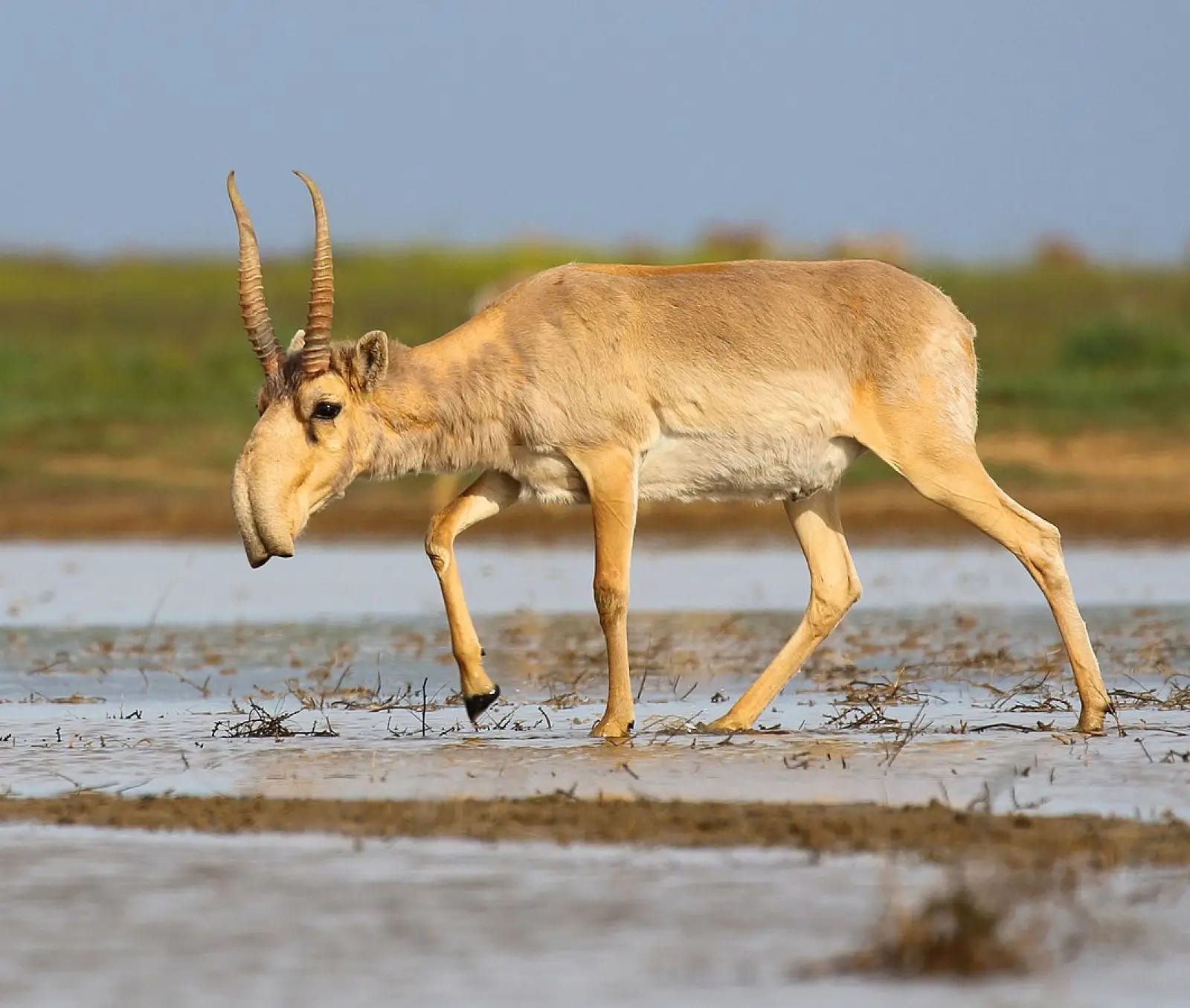
Hunting and trade in saiga – particularly for their horns – boomed after the collapse of the Soviet Union, prompting a moratorium. But, with populations now recovered, Kazakhstan is arguing that ongoing regulation is creating black market demand and incentivising criminal groups to poach the animals.
This is an example of how trade regulations can impact demand and illegal trafficking. Delegates need to carefully consider these factors when making decisions at CITES.
Communities v conservationists: elephant ivory
Long-time CITEs observers say that discussions often become bogged down with the “big grey things”. Elephants, rhinos, and increasingly sharks, are major topics in conservation and the international ivory ban is pointed to as a major conservation win.
That, too, has unintended consequences. As elephants and rhinos die naturally, range countries can build up stockpiles, which have no ‘legal’ commercial value because of the ban. Similar to the saiga, this can also create demand for poachers.
Namibia is arguing that its good progress in protecting its elephants means it should be able to sell its ivory stockpile to an authorised buyer. The money would be used for further elephant conservation.
There have been two legal one-off ivory sales since its trade was banned, and conservationists say that both times there was an increase in poaching as a result.
The debate between the needs of local communities and range countries which might rely on trade in wild animals and the protection of the animals is one that is central to CITES.
Perils of illegal trafficking: Galapagos iguanas
The mystery of the Galapagos iguana is one that highlights the dangers of wildlife trafficking and how CITES can counter it.
Ecuador has never sanctioned the international trade of two species of iguana that only live on the Galapagos Islands, which are part of the South American country. However, they are freely sold as pets internationally. This is evidence that they have been illegally smuggled off the islands. Indeed, there have been several cases of smugglers caught in the act of removing young iguanas.
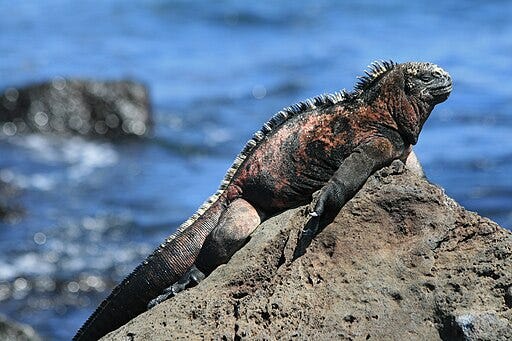
Ecuador is concerned that their presence in the pet trade makes it “easier to mask illegal harvest”. Wild-caught specimens can be “laundered” into the system and sold as bred in captivity.
Listing of the species on appendix one would stop the “plundering” of iguanas and enable better monitoring of captive-bred animals, according to the proposal.
Pets and people: tarantulas
Despite their reputation as terrifying critters, tarantulas are popular as pets. They are one of the most heavily traded types of invertebrate, according to CITES proposals, with hundreds of species available for purchase online.
Less than two per cent of species are CITES listed and around two-thirds of those sold in the pet trade are reported to be caught from the wild. A number of species have been proposed for inclusion in appendix two.
Bolivia is arguing that its native tarantula populations are under pressure from the prevalence of this trade and that the impact on species is currently uncertain. Wild pet advocates often argue that the trade in animals creates an incentive to protect populations.